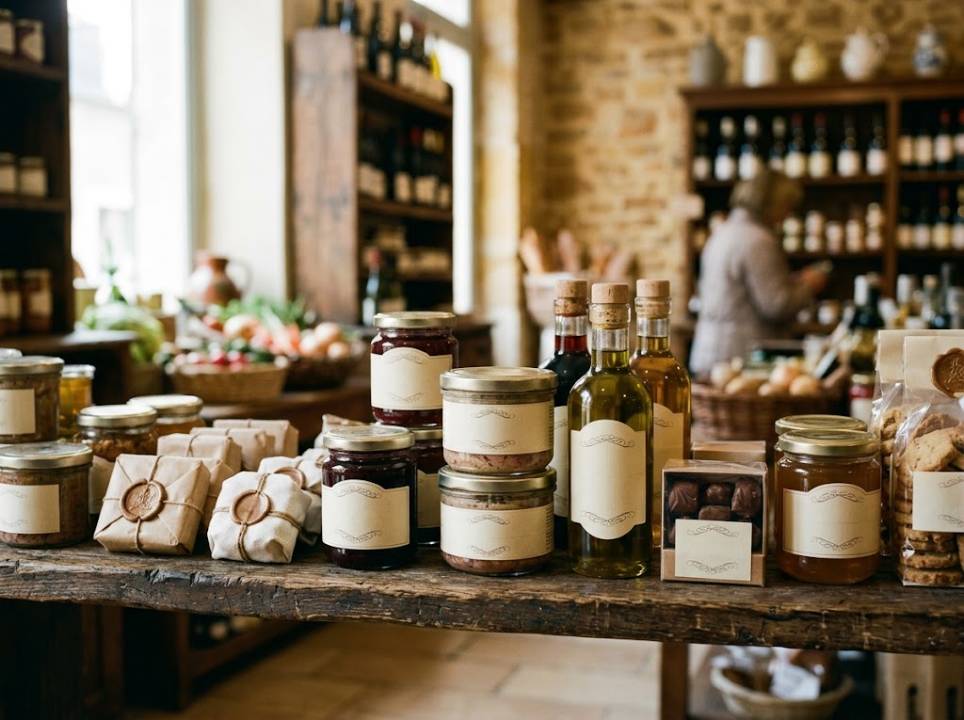
A jar of jam, a bag of crisps or a bottle of olive oil may look simple, but its label is one of the most regulated pieces of text a company will ever publish. When that product crosses into France, Belgium, Luxembourg, Switzerland or Quebec, every word on the pack has to work in French, and it has to be right.
For exporters, label translation is where marketing, law and language meet. Get it wrong and the consequences range from a confused customer to a product recall. This guide explains what French-speaking markets expect and how to plan the work.
Why French labels are non-negotiable
France has some of the strictest language rules in Europe. The Toubon Law requires that consumer information, including labels, instructions and guarantees, be available in French. Belgium requires the languages of the region where the product is sold, which often means French and Dutch together. Quebec's Charter of the French Language demands French on packaging, with any other language no more prominent.
In short, if you want shelf space in a French-speaking market, your label must speak French properly. A quick machine translation printed on a sticker will not pass a serious buyer, let alone an inspector.
What EU food labels must contain
Inside the European Union, food labelling follows common rules, and the food labelling requirements cover a long list of mandatory information:
- The name of the food
- The list of ingredients, with allergens emphasised
- Net quantity
- Date of minimum durability or use-by date
- Storage conditions and instructions for use
- The name and address of the food business operator
- Country of origin where required
- A nutrition declaration
Each of these items has fixed legal wording in French. A translator who knows the regulations will use the correct terms, such as "à consommer de préférence avant" for best before, rather than inventing a phrase that sounds natural but has no legal standing.
Allergens deserve special care
Allergen information saves lives. EU rules require the fourteen major allergens to be highlighted in the ingredient list, for example in bold. Translating "may contain traces of nuts" or "produced in a facility that handles sesame" demands absolute precision.
This is where professional french translation services earn their fee. Specialist linguists work from approved terminology lists, check every ingredient name and flag any ambiguity in the source text before it reaches the printer.
Space is the hidden enemy
French text typically runs longer than English, often by fifteen to twenty percent. On a small label, that extra length can break the design. Good translators work closely with packaging designers, suggesting shorter legal equivalents where they exist and warning early when a panel will overflow.
Multilingual packs make the challenge harder. A single box sold across Benelux may need French, Dutch and German side by side. Brands often commission german translation services at the same time, so that all three versions fit the same layout and use the same structure.
Marketing claims and the tone of the pack
Beyond the mandatory information, every pack carries marketing copy: a slogan, a short story about the brand, serving suggestions. These texts should feel natural to French shoppers, not like a word-for-word conversion from English. Claims such as "natural", "artisanal" or "high in protein" are regulated too, so the translator must know which expressions are allowed.
Canada and Switzerland are different
French is not one market. Quebec shoppers expect Canadian French vocabulary and must see bilingual labels that follow Canadian food rules, which differ from EU ones. Swiss labels follow Swiss food law and may need French, German and Italian. An exporter shipping the same product to Paris, Geneva and Montreal may therefore need three slightly different French versions.
Keeping every version consistent
Food companies with large ranges manage hundreds of labels, updated whenever a recipe or supplier changes. Serious translation providers store approved label wording in translation memory software, so that a changed allergen line or a new ingredient updates cleanly across every product without retranslating the whole label.
Consistency across a range reassures both regulators and customers. The same ingredient should carry the same French name on every product you sell.
A practical workflow for exporters
- Freeze the source label text before translation begins
- Provide the full technical specification, not just the artwork
- Tell the translator exactly which countries the pack will be sold in
- Ask for a bilingual proof that shows source and translation side by side
- Have the final artwork checked by a native speaker before printing
- Keep translated labels in a central repository for future updates
Beyond the label
Labels are only the start. Retail listings, product sheets for buyers, websites and marketing brochures all need French versions too. Many exporters combine label work with french document translation services for their sales documentation, so the tone and terminology match from shelf to website.
Final thoughts
Food labels for France follow strict rules, and the same discipline applies to polish translation for the Polish market. Experienced providers understand EU food information regulations in both French and Polish. This dual expertise prevents costly label rejections in Paris and Warsaw alike.
A label is small, but it carries a brand's reputation and its legal responsibilities. Accurate French label translation protects consumers, keeps products on shelves and shows buyers that you take their market seriously. Plan it early, work with specialists, and treat every line on the pack with the care it deserves.